
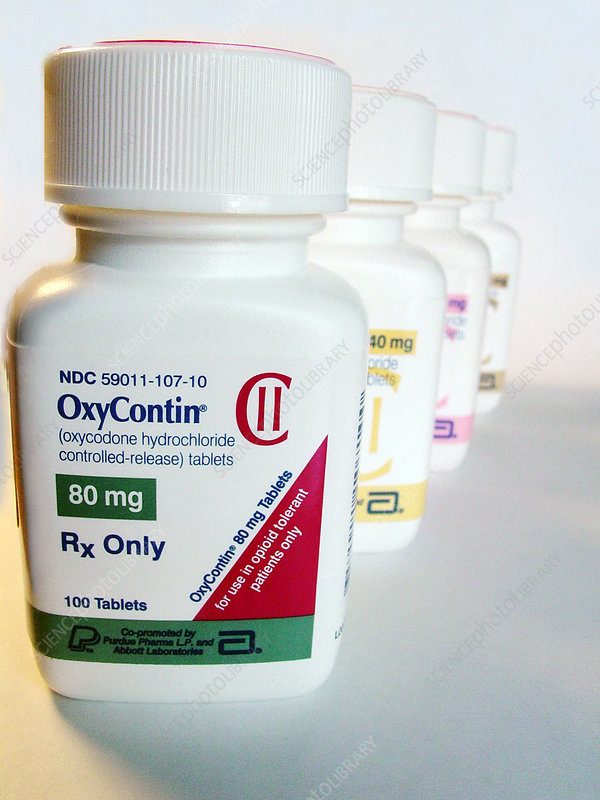
OXYCONTIN
Extended-Release Oxycodone for Severe, Long-Term Pain Management
OxyContin is the brand name for extended-release oxycodone, a prescription opioid medication indicated for the management of severe pain requiring continuous, around-the-clock opioid treatment. It is prescribed when alternative pain therapies are inadequate or not tolerated.
This page provides educational pharmaceutical information for patients, caregivers, and healthcare professionals seeking accurate, responsible details about OxyContin therapy.
For verified pharmacy information and regulated healthcare resources, visit
https://chemistonlineaustralia.com/
WHAT IS OXYCONTIN?
OxyContin contains oxycodone hydrochloride in an extended-release formulation, designed to deliver controlled pain relief over a prolonged period. Unlike immediate-release oxycodone, OxyContin is intended for long-term, continuous pain control rather than as-needed use.
Because of its potency and extended action, OxyContin must be used only under strict medical supervision.
MEDICAL APPLICATIONS
OxyContin may be prescribed for:
-
Severe chronic pain requiring daily, long-term opioid therapy
-
Cancer-related pain
-
Pain associated with serious injury or advanced medical conditions
-
Patients who need stable, sustained analgesia
It is not intended for mild pain or short-term use.
PATIENT NEEDS AND CLINICAL CONSIDERATIONS
Patients treated with OxyContin typically require:
-
A confirmed diagnosis indicating severe, persistent pain
-
Careful dose selection and titration
-
Ongoing monitoring for pain control and adverse effects
-
Education on proper use and safe storage
Patients with respiratory disease, liver or kidney impairment, or a history of substance use disorder should be carefully evaluated before therapy.
HOW OXYCONTIN WORKS
OxyContin provides pain relief by:
-
Binding to opioid receptors in the brain and spinal cord
-
Modifying pain perception and response
-
Delivering consistent analgesia through extended-release technology
Tablets must be swallowed whole to maintain the controlled-release mechanism.
DOSAGE AND ADMINISTRATION
-
Prescribed and adjusted only by a licensed healthcare provider
-
Taken at regular intervals, usually every 12 hours
-
Tablets must not be crushed, chewed, or split
-
Avoid alcohol and other central nervous system depressants unless approved
Any dosage changes require medical supervision.
SIDE EFFECTS AND SAFETY INFORMATION
Common side effects may include:
-
Constipation
-
Drowsiness
-
Nausea
-
Dizziness
-
Fatigue
Serious risks may include:
-
Respiratory depression
-
Dependence or tolerance
-
Overdose if misused
-
Sedation when combined with other depressants
Immediate medical attention is required for breathing difficulties or severe reactions.
WARNINGS AND PRECAUTIONS
-
Prescription use only
-
High risk of misuse if not taken as directed
-
Not suitable for opioid-naïve patients at higher doses
-
Requires secure storage to prevent accidental exposure
-
Regular clinical review is essential
STORAGE AND HANDLING
-
Store at room temperature
-
Keep in original labeled packaging
-
Protect from heat and moisture
-
Keep out of reach of children
REGULATORY STATUS
-
Prescription/Non-Prescription medication
-
Classified as a controlled opioid
-
Dispensed through licensed pharmacies
-
Subject to strict national and international regulations
For pharmacy compliance and patient education resources, visit
https://chemistonlineaustralia.com/


Reviews
There are no reviews yet.