
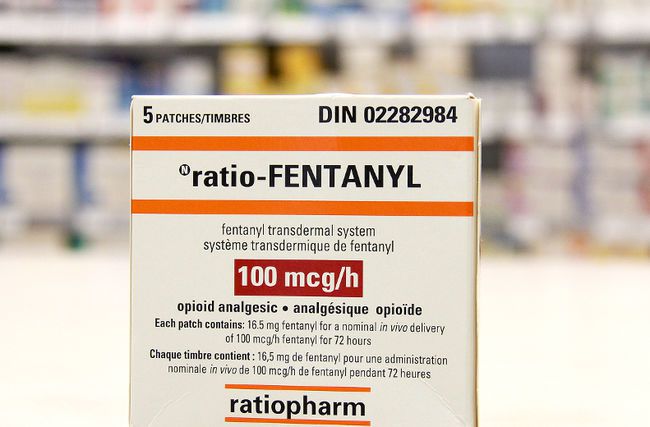
FENTANYL
Prescription Opioid Medication for Severe Pain Management
Fentanyl is a potent prescription opioid analgesic used primarily for the treatment of severe pain, often in cases where other opioids are insufficient. It is commonly administered in hospital, hospice, or palliative care settings, and is also available in transdermal patches, lozenges, and injectable forms for chronic or breakthrough pain.
This page provides educational pharmaceutical information for patients, caregivers, and healthcare professionals seeking accurate details about fentanyl therapy.
For verified pharmacy information and regulated healthcare resources, visit
https://chemistonlineaustralia.com/
WHAT IS FENTANYL?
Fentanyl is a synthetic opioid that binds to mu-opioid receptors in the brain and spinal cord, blocking pain signals and producing strong analgesic effects. It is 50–100 times more potent than morphine, which makes precise dosing and medical supervision essential.
MEDICAL APPLICATIONS
Fentanyl may be prescribed for:
-
Severe cancer-related pain
-
Post-surgical pain management
-
Chronic pain in opioid-tolerant patients
-
Breakthrough pain episodes in advanced illnesses
Its formulation and route of administration are selected based on pain severity, patient needs, and prior opioid use.
PATIENT NEEDS AND CONSIDERATIONS
Patients prescribed fentanyl require:
-
Close medical monitoring for safety and efficacy
-
Individualized dosing, especially for opioid-naïve patients
-
Education on proper use, storage, and disposal
-
Awareness of risks, including respiratory depression and dependence
Patients with respiratory disease, liver or kidney impairment, or a history of substance use disorder should be carefully evaluated.
HOW FENTANYL WORKS
Fentanyl provides pain relief by:
-
Binding to opioid receptors, reducing pain signal transmission
-
Altering pain perception and emotional response to pain
-
Producing strong analgesic effects at lower doses compared to other opioids
Because of its potency, even small dosing errors can be dangerous.
DOSAGE AND ADMINISTRATION
-
Dosage is determined by a licensed healthcare professional
-
Available in transdermal patches, lozenges, buccal tablets, and injections
-
Patients should follow exact administration instructions
-
Avoid alcohol and other CNS depressants unless approved
-
Do not alter or cut transdermal patches
Strict adherence to dosing schedules is crucial to prevent overdose or severe side effects.
SIDE EFFECTS AND SAFETY INFORMATION
Common side effects may include:
-
Drowsiness
-
Nausea or vomiting
-
Constipation
-
Dizziness
-
Dry mouth
Serious risks may include:
-
Respiratory depression
-
Severe sedation
-
Dependence, tolerance, or addiction
-
Risk of overdose, especially in opioid-naïve patients
Immediate medical attention is required for any severe or unusual reactions.
WARNINGS AND PRECAUTIONS
-
Prescription-only, controlled opioid
-
High potential for misuse, dependence, and abuse
-
Must be stored securely, away from children or unauthorized persons
-
Continuous medical review required, especially for long-term use
-
Not for use in patients without prior opioid tolerance unless under strict supervision
STORAGE AND HANDLING
-
Store at room temperature
-
Keep in original labeled packaging
-
Protect from moisture and heat
-
Dispose of used patches safely to prevent accidental exposure
REGULATORY STATUS
-
Prescription/Non-Prescription controlled opioid
-
Available in hospital, hospice, and outpatient care settings
-
Strictly regulated nationally and internationally
-
Dispensed through licensed pharmacies with medical oversight
For pharmacy compliance and patient education resources, visit
https://chemistonlineaustralia.com/

Reviews
There are no reviews yet.