
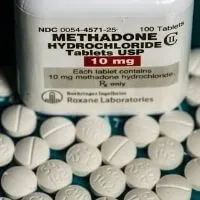
METHADONE
Prescription Medication for Pain Management and Opioid Dependence Treatment
Methadone is a long-acting prescription opioid medication used in carefully supervised medical settings for the treatment of chronic pain and opioid use disorder (OUD). When prescribed and monitored appropriately, methadone plays an important role in improving patient stability, reducing withdrawal symptoms, and supporting long-term treatment outcomes.
This page provides educational pharmaceutical information for patients, caregivers, and healthcare professionals seeking accurate and responsible details about methadone therapy.
For verified pharmacy information and regulated healthcare resources, visit
https://chemistonlineaustralia.com/
WHAT IS METHADONE?
Methadone is a synthetic opioid that works by binding to opioid receptors in the brain and nervous system. Unlike short-acting opioids, methadone has a long duration of action, allowing for stable blood levels when taken as prescribed.
Because of its potency and long half-life, methadone must be used only under strict medical supervision.
MEDICAL APPLICATIONS
Methadone may be prescribed for:
Chronic Pain Management
-
Severe or persistent pain requiring long-term opioid therapy
-
Pain unresponsive to other analgesics
-
Situations where stable, extended pain control is required
Opioid Dependence Treatment
-
Reduction of withdrawal symptoms
-
Suppression of opioid cravings
-
Support of medication-assisted treatment (MAT) programs
Treatment decisions are individualized based on patient history, diagnosis, and clinical goals.
PATIENT NEEDS AND CLINICAL CONSIDERATIONS
Patients prescribed methadone typically require:
-
A confirmed medical diagnosis
-
Individualized dosing and careful titration
-
Regular monitoring for effectiveness and side effects
-
Ongoing clinical follow-up
Methadone may not be suitable for all patients. Cardiovascular health, respiratory conditions, and potential drug interactions must be carefully evaluated prior to treatment.
HOW METHADONE WORKS
Methadone provides therapeutic benefit by:
-
Reducing pain signal transmission in the central nervous system
-
Preventing opioid withdrawal symptoms
-
Supporting neurological stability when used in dependence treatment
Due to its long half-life, dosing accuracy and adherence are critical to patient safety.
DOSAGE AND ADMINISTRATION
-
Dosage is determined by a licensed healthcare provider
-
Initiation and adjustments require close monitoring
-
Do not alter dosage without medical guidance
-
Avoid combining with alcohol or sedatives unless approved
Patients should follow all prescribing instructions carefully.
SIDE EFFECTS AND SAFETY INFORMATION
Common side effects may include:
-
Drowsiness
-
Constipation
-
Nausea
-
Sweating
-
Dizziness
Serious risks may include:
-
Respiratory depression
-
Heart rhythm disturbances
-
Dependence if misused
-
Sedation with other CNS depressants
Immediate medical attention is required if serious side effects occur.
WARNINGS AND PRECAUTIONS
-
Prescription use only
-
Requires strict medical supervision
-
Risk of overdose if improperly dosed
-
Not suitable for unsupervised use
-
Secure storage is essential
Patients should disclose all medications and medical conditions to their provider before starting therapy.
STORAGE AND HANDLING
-
Store at room temperature
-
Keep in original packaging
-
Protect from light and moisture
-
Keep out of reach of children
REGULATORY STATUS
-
Prescription/Non-Prescription medication
-
Classified as a controlled opioid
-
Dispensed through licensed pharmacies or authorized programs
-
Subject to national and international regulations
For pharmacy compliance and patient education resources, visit
https://chemistonlineaustralia.com/




Reviews
There are no reviews yet.