
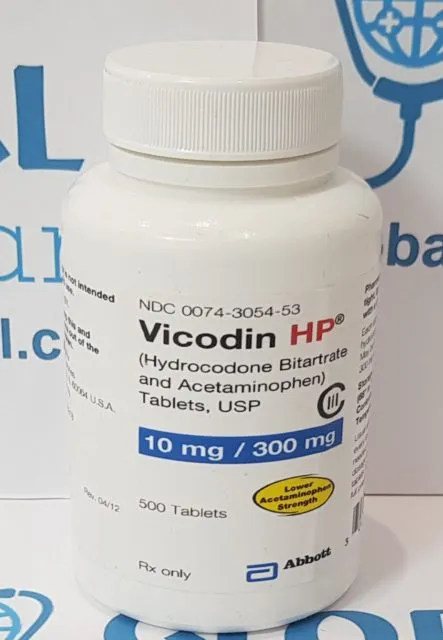
VICODIN
Prescription Opioid Analgesic for Moderate to Severe Pain
Vicodin is a prescription pain medication that combines hydrocodone (an opioid analgesic) with acetaminophen. This combination allows for effective management of moderate to severe pain, including post-operative pain, injury-related pain, and chronic conditions where other medications are insufficient.
This page provides educational pharmaceutical information for patients, caregivers, and healthcare professionals seeking accurate and responsible details about Vicodin therapy.
For verified pharmacy information and regulated healthcare resources, visit
https://chemistonlineaustralia.com/
WHAT IS VICODIN?
Vicodin is a dual-action analgesic:
-
Hydrocodone acts on opioid receptors in the brain to reduce the perception of pain
-
Acetaminophen enhances pain relief and provides peripheral analgesic effects
This combination allows for effective pain control at lower opioid doses, but it must be used only under medical supervision.
MEDICAL APPLICATIONS
Vicodin may be prescribed for:
-
Moderate to severe post-operative pain
-
Pain due to injuries or musculoskeletal conditions
-
Severe dental pain
-
Pain requiring short-term opioid therapy
The choice of dose and duration is determined by a licensed healthcare professional.
PATIENT NEEDS AND CONSIDERATIONS
Patients prescribed Vicodin typically require:
-
A confirmed diagnosis of moderate to severe pain
-
Careful dosing and monitoring for side effects
-
Awareness of acetaminophen limits to prevent liver toxicity
-
Guidance on safe opioid use, storage, and adherence
Patients with liver or kidney disease, respiratory issues, or a history of substance misuse should consult their healthcare provider before starting therapy.
HOW VICODIN WORKS
Vicodin provides pain relief by:
-
Reducing pain perception in the central nervous system through hydrocodone
-
Enhancing peripheral analgesia via acetaminophen
-
Supporting functional recovery and comfort during acute pain episodes
Strict adherence to prescribed dosing is essential to prevent overdose and adverse effects.
DOSAGE AND ADMINISTRATION
-
Dosage determined by a licensed healthcare professional
-
Typically taken every 4–6 hours as needed for pain
-
Do not exceed recommended acetaminophen daily limits
-
Avoid alcohol and other CNS depressants unless approved
Patients should never alter doses or frequency without medical advice.
SIDE EFFECTS AND SAFETY INFORMATION
Common side effects may include:
-
Drowsiness
-
Nausea
-
Constipation
-
Dizziness
-
Headache
Serious risks may include:
-
Respiratory depression
-
Dependence or addiction
-
Liver damage from acetaminophen overdose
-
Sedation when combined with other CNS depressants
Immediate medical attention is required for severe or unusual reactions.
WARNINGS AND PRECAUTIONS
-
Prescription-only medication
-
Risk of misuse and dependence if not taken as directed
-
Requires careful monitoring for long-term use
-
Secure storage to prevent accidental ingestion
-
Regular review by healthcare provider recommended
STORAGE AND HANDLING
-
Store at room temperature
-
Keep in original labeled packaging
-
Protect from heat and moisture
-
Keep out of reach of children
REGULATORY STATUS
-
Prescription/Non-Prescription controlled opioid combination
-
Dispensed through licensed pharmacies
-
Subject to national and international regulations
For pharmacy compliance and patient education resources, visit
https://chemistonlineaustralia.com/

Reviews
There are no reviews yet.